Lab Tests
HTMA & Bloodwork
Tests are the start of your wellness journey to determine where you are. The role of the Coach is to unpack what the data means and the implications for your wellness.
The Full Monty Blood Panel
The Full Monty blood panel test is a bespoke test designed by Morley Robbins. This test is an integral step of the Root Cause Protocol, which is somewhat different from the standard blood tests offered by clinics in Malaysia. The Full Monty Panel contains 10 tests with 15 biomarkers. The RCP Institute also recommends a Hair Tissue Mineral Analysis (HTMA) test.
These lab tests are vital to understand your "mineral-stress" pattern, and for helping track progress of improvement in the measures you have adopted to improve your wellness condition. However, the Full Monty test is not readily available outside the USA.
- ✦10 tests with 15 biomarkers — Morley Robbins' bespoke panel
- ✦Designed as an integral step of the Root Cause Protocol
- ✦Different from the standard blood tests offered by clinics in Malaysia
- ✦Vital to understand your "mineral-stress" pattern
- ✦Helps track progress as you adopt measures to improve your wellness
Standard CMP-14
CMP-14: A Limited Starting Point
The standard blood draw performed in Malaysia is to perform the CMP-14 tests. The usefulness of the results for these 14 markers is rather limited at best but some are simply irrelevant. INA may request additional test markers based on symptom conditions shared by the client. These are summarized in Appendix 2. With advancement in AI and digital technology, some of these diagnostic tests may be performed as routines of self-care at home in future.
CMP-14 markers
Hair Tissue Mineral Analysis
What HTMA Reveals
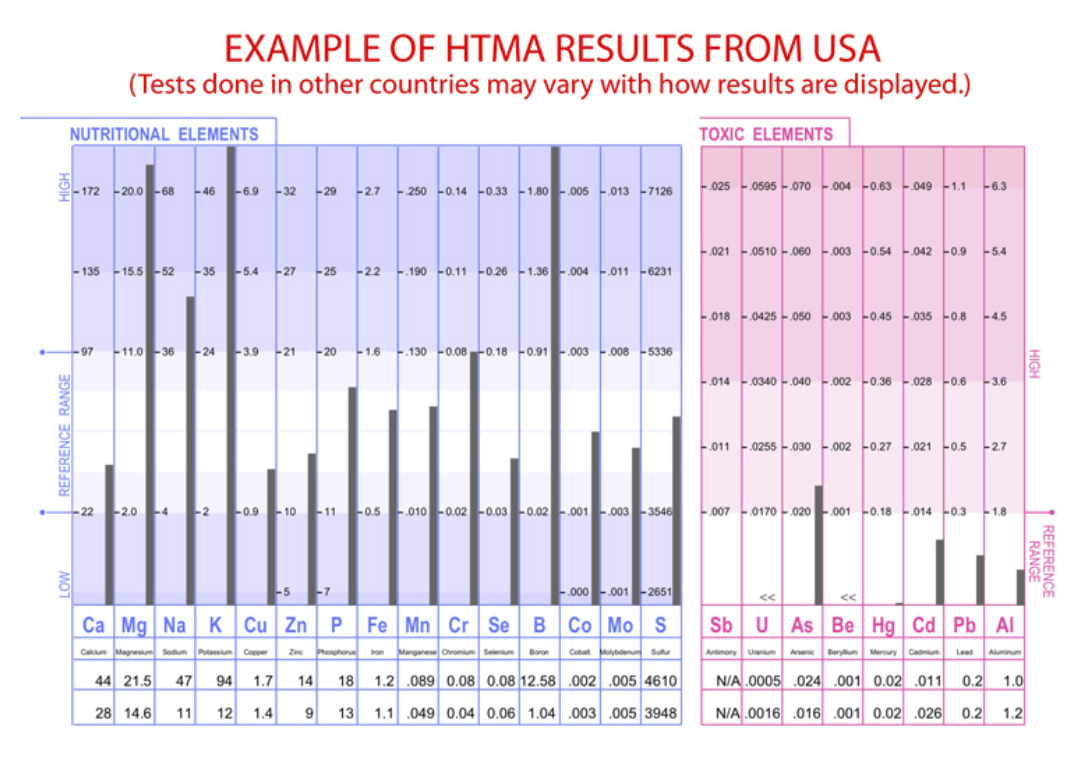
Data from the Hair Tissue Mineral Analysis (HTMA) will offer insight into the client's personal situation, how his / her body responds to stress and other aspects too.
Tests will be ordered in clinics nominated by the Coach. Results from the tests will also be sent to the Coach. Upon receipt, the data will be populated into the record chart devised by the RCP Institute. Data from the HTMA will be recalibrated into a mineral distribution map.
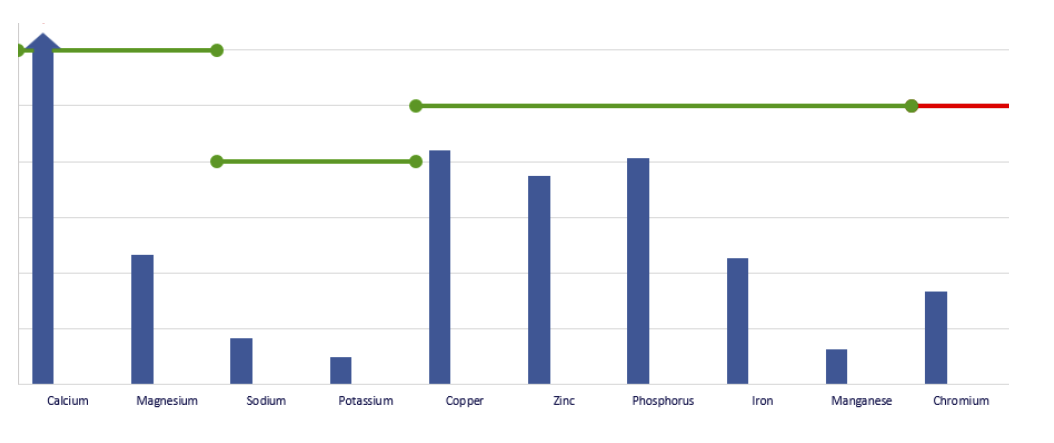
Mineral Mapping — Malter Mix Model
The Three Fundamental Questions
The mapping is to address 3 key fundamental questions — the interdigitation of mineral dynamics to create energy, clear exhaust and mobilizing energy to overcome stress. The assessment will focus on the pairing of minerals Ca/Mg, Na/K ratios and the liver markers.
- ✦Energy creation through mineral synergy
- ✦Clearance of metabolic exhaust
- ✦Mobilizing energy to overcome stress
Calcium / Magnesium
Autonomic Nervous System Balance
The Ca/Mg ratio reflects the balance between sympathetic (calcium-driven) and parasympathetic (magnesium-driven) tone. Magnesium is the natural calcium channel modulator on the artery walls and is critical for vascular relaxation and circadian recovery.
Sodium / Potassium
Adrenal & Membrane Integrity
The Na/K pairing surfaces adrenal status and cellular membrane integrity. Potassium acts most directly on the kidney's fluid and sodium regulation; the ratio surfaces the imbalance long before clinical thresholds are crossed.